
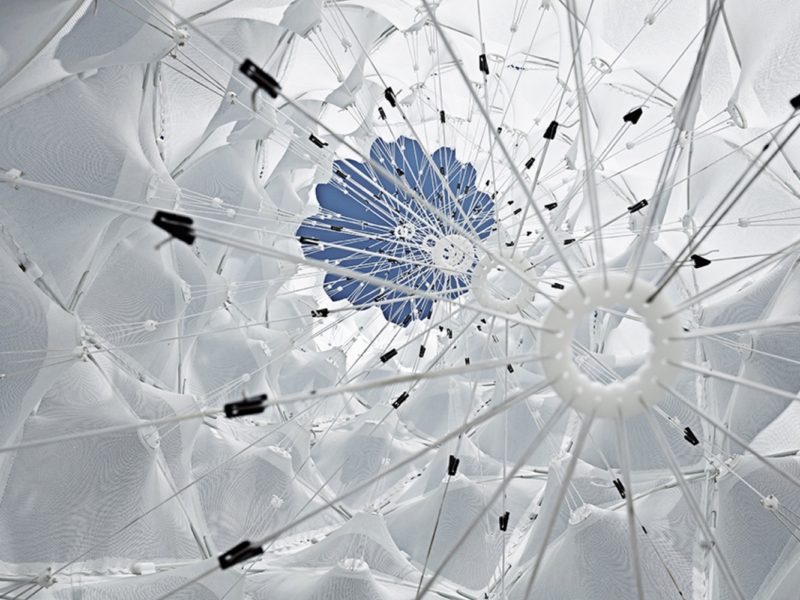
The textile industry is booming and fast growing. This growth is partly due to the industry’s ability to create competitive solutions for other technological sectors, where aspects related to innovation, engineering and technology give rise to new developments and new methodologies not only in the manufacture and processing of textiles, but also in the development of improved raw materials, such as fibers, yarns, coatings, etc.
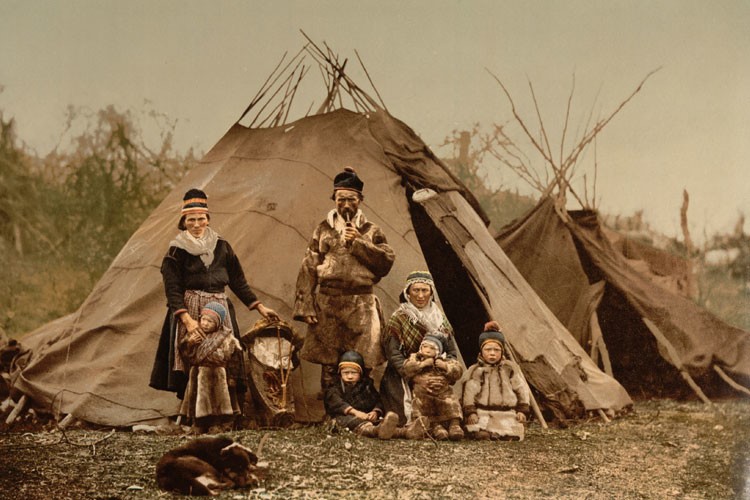
The use of textile-based materials in the architecture is already ancient, however, it is remarkable the rapid growth that consumption of textile technology has been registering in architectural applications these past years.
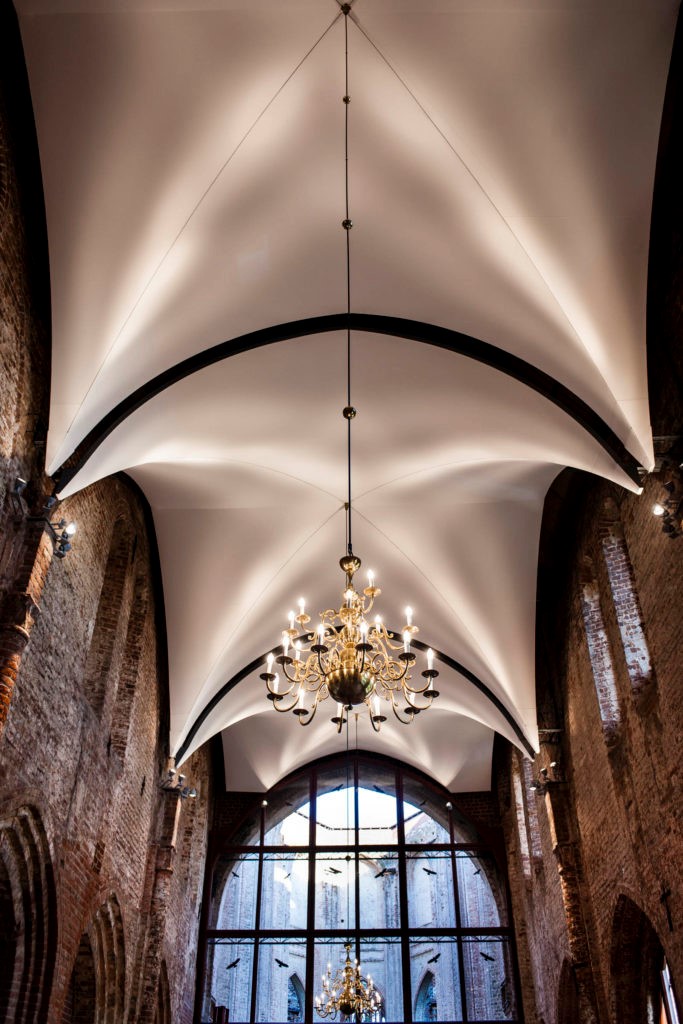
The so-called “Arquitextiles” show that all the work developed in recent years is generating cutting-edge technological value where the multi-functionality and the aggregation capacity of interfaces not only commercial but also social, cultural and recreational are already being widely used in the large cities all over the world whether for interior or exterior architecture. Nowadays, these solutions are capable of adding properties such as light, sound insulation, thermal insulation, heating, shading, audiovisual and structural effects to the same element.The next image shows the work of Beyer architekten, of Rostock, Germany.
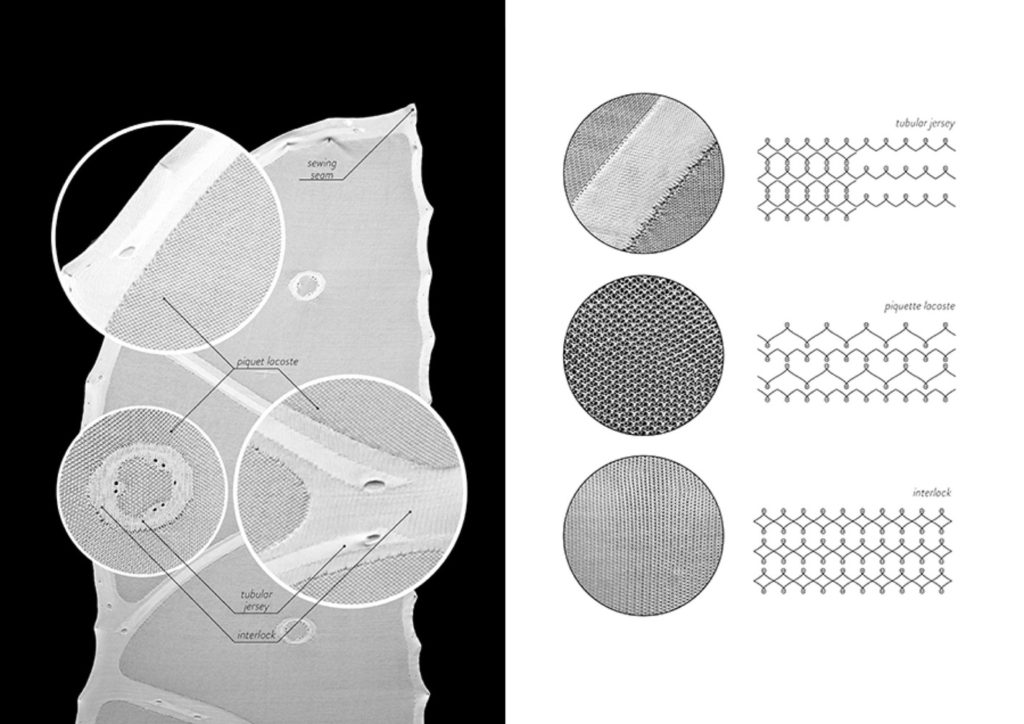
Research groups are now being set up to take a new step towards improving and increasing the competitiveness of these solutions. The R&DI department of A. Ferreira e Filhos SA, together with the CITA – Center for Information Technology and Architecture | KADK – has been contributing to the study and development of new approaches in recent years and has given rise to a new line of research that involves the use of multi-structural and multi-functional knitted fabrics to be applied in tensioned systems. The use of knitted textiles comes to fill a series of gaps that have, yet, been offering some resistance in the use of textile solutions for such applications, namely the inability to obtain defined geometries (which forces design operations, cut and other finishes needs, complicated logistics and increased time consumption), impossibility of exploring properties related to textile dynamics (inclusion of different structural characteristics in the same production), ability to use fibers and yarns of different natures as a way to obtain intercalated properties on the same production batch, among others. The next picture shows a little part of this developments made at A. Ferreira e Filhos SA.
Such developments, based on knitted solutions, has been gaining notoriety in the landscape of sustainable construction, green and environmentally friendly cities with extremely competitive productive capacities such as the ability to produce parts with pre- defined geometries, combination of different materials and structures in the same productive step which leads to savings in time, energy, labor, logistics, finishing needs, transportation and overall final cost.
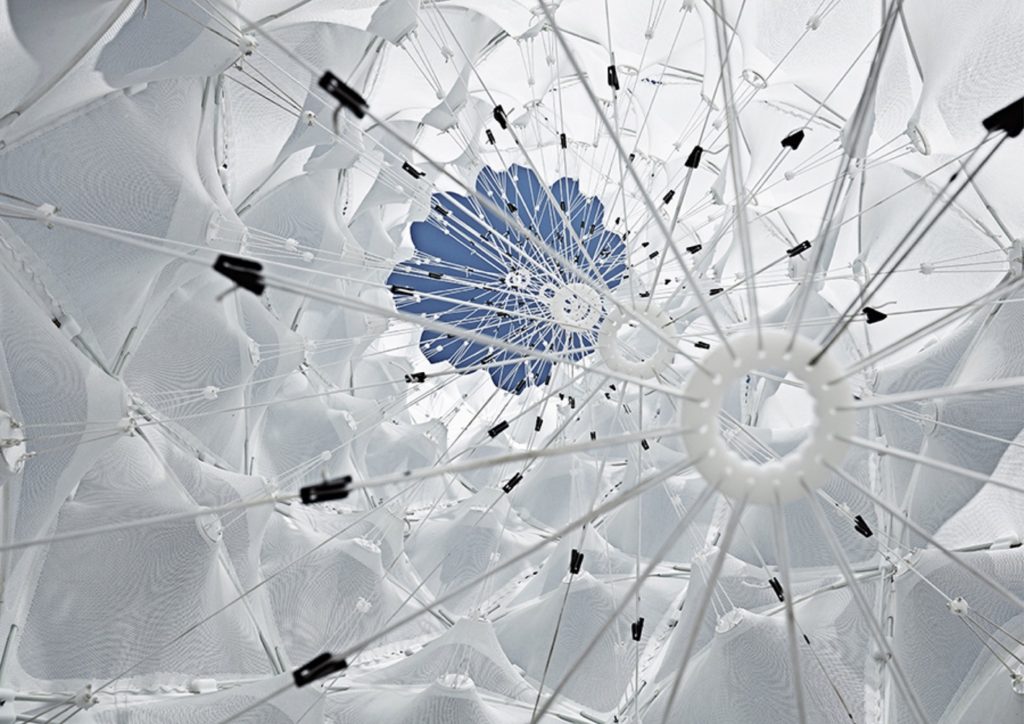
It is undoubtedly an area of research that needs a strong strategic bet with regard to the dynamization of the textile sector where there is a significant need for incentives for the creation of value through sustainable growth and the use of the know-how of the textile sector for the achievement of new technological horizons.
Author Filipa Monteiro.



